 >
>
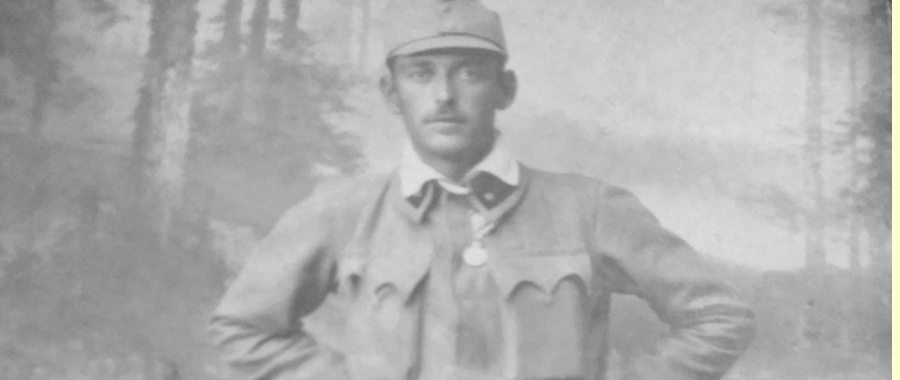
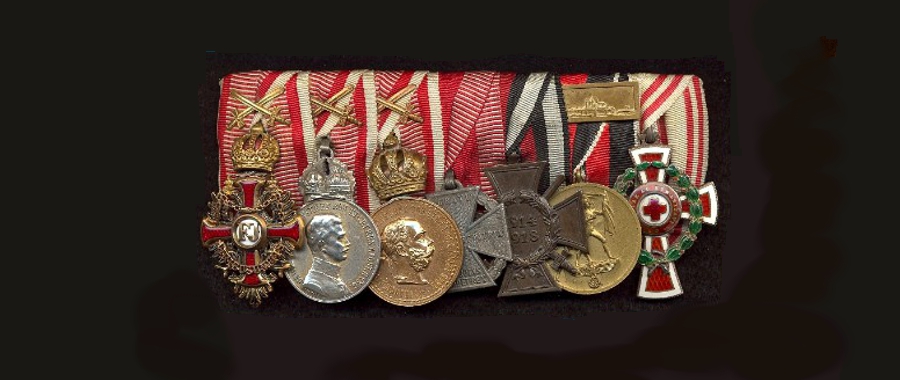
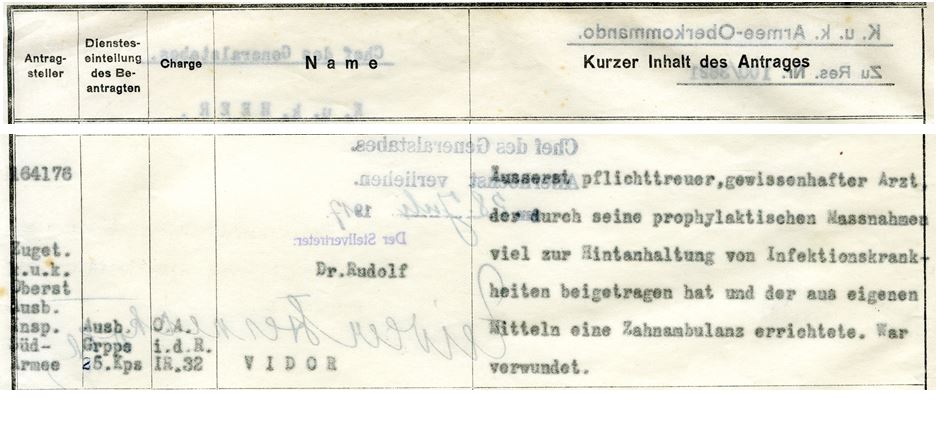
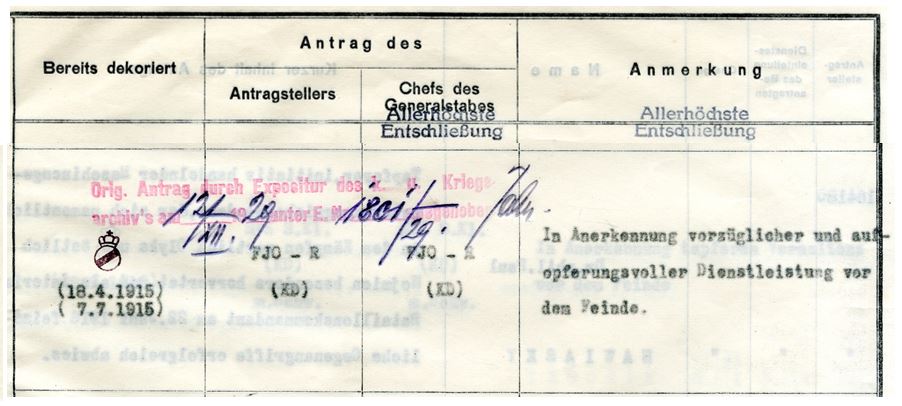
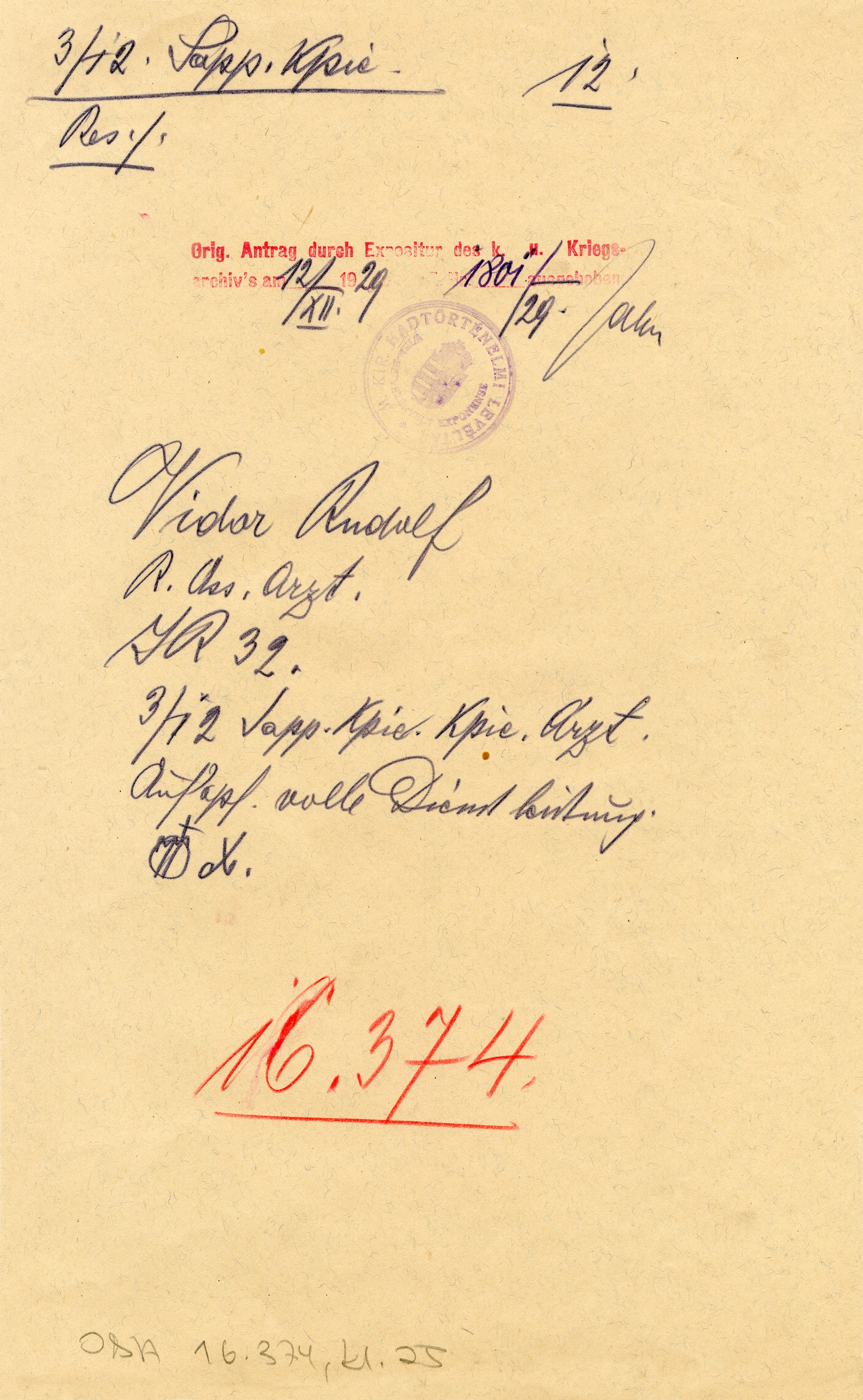
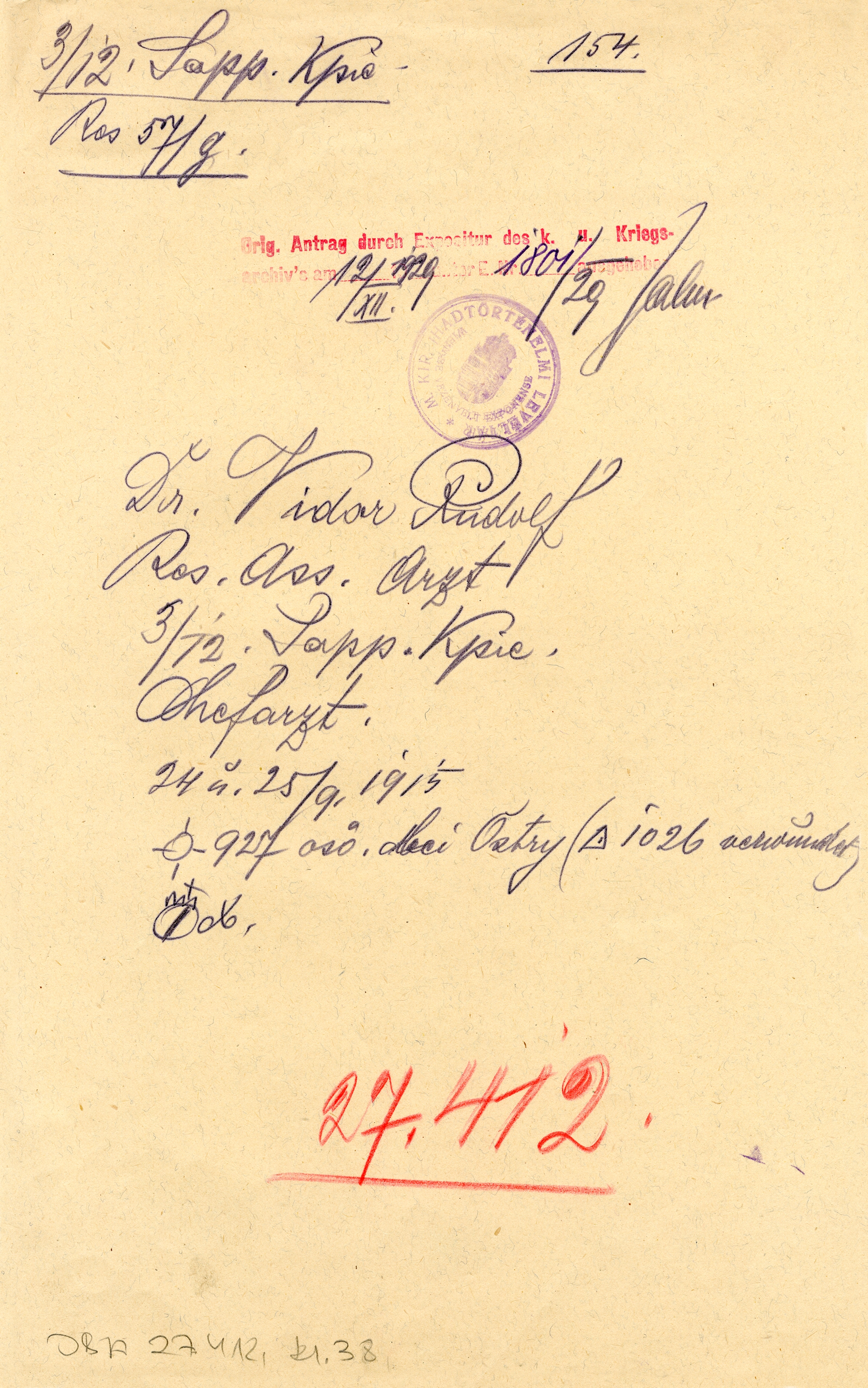
Reso won many medals, mainly a number of these:
The Order of Franz Joseph (Kaiserlich-Österreichischer Franz-Joseph-Orden)
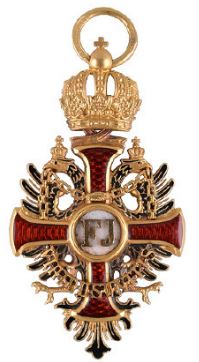
The Imperial Austrian Order of Franz Joseph (or Kaiserlich-Österreichischer Franz-Joseph-Orden in German) was an Order founded by Emperor Franz Joseph I of Austria on December 2, 1849, on the first anniversary of his accession to the imperial throne.The order was originally awarded in three classes: Grand Cross, Commander’s Cross, and Knight’s Cross. In 1869, the class of Commander with Star was added, which ranked immediately below the Grand Cross. On February 1, 1901, the Officer’s Cross, which ranked between Commander and Knight, was introduced.The order ceased to exist as a governmental award with the dissolution of the Austro-Hungarian Empire in 1918 and was not re-established with the foundation of the Republic of Austria. However, it remains active as a dynastic order of the House of Habsburg.
The Order of Franz Joseph Design
Knights wore the decoration suspended from a triangular ribbon on the
left breast. Officers wore it on the left breast without a ribbon. Commanders
wore the decoration at the neck, as did Commander with Star, who also
wore a breast star. The Grand Cross was worn suspended from the shoulder
and also came with a breast star. The ribbon of all classes of the order
was plain red.In common with the other Austro-Hungarian awards of the
period, the Franz Joseph Order was further distinguished with the addition
of the War decoration and Swords which could be awarded for military
merit. However, if soldiers were honored, it was usually for distinguished
service as opposed to gallantry in the face of the enemy.
The Military Merit Medal - Signum Laudis (Austria-Hungary)
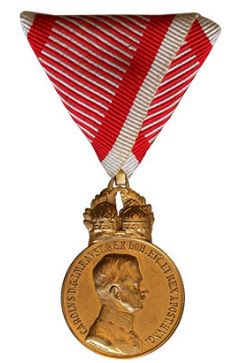
We hjave some other documentation with respect to Awards, but this may only refer to 1 award? Any help / advice to help us locate missing details would be much appreciated!